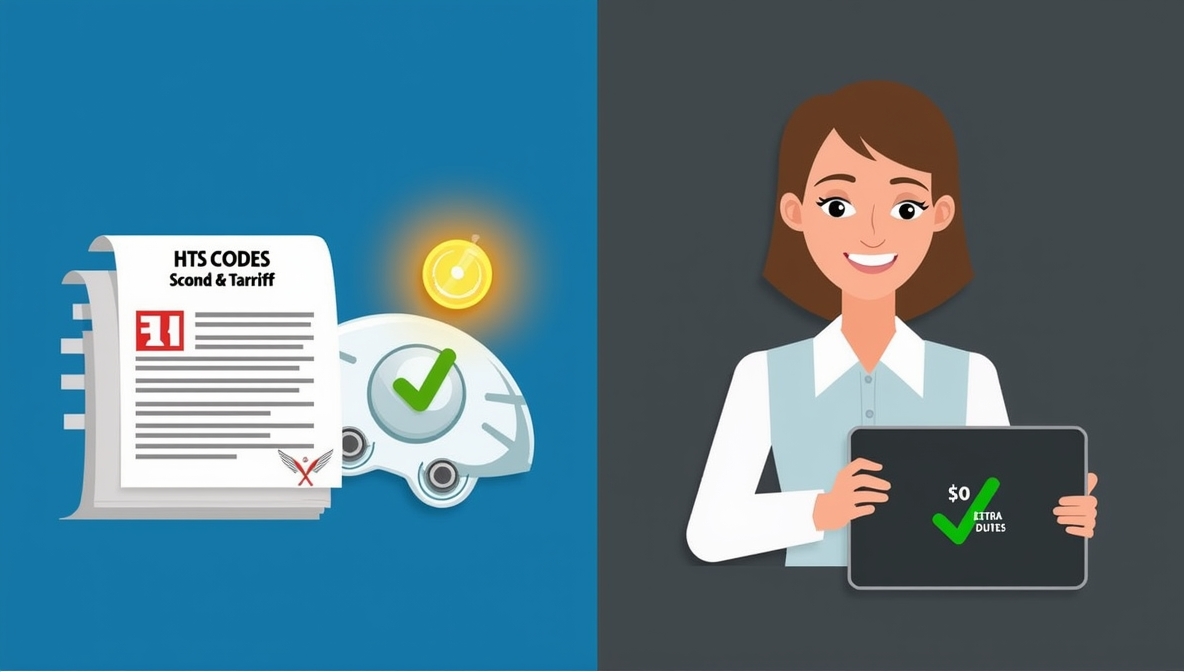
How to Import AI Fall Detection Sensors
Thank you for reading this post, don't forget to subscribe!Meta Description
“Master the import process for AI fall detection sensors with this step-by-step guide. Learn how to classify devices using HTS codes, slash tariff costs, and leverage trade compliance tools—plus, calculate your savings with our free simulator.”
Introduction: Why Tariffs Make or Break AI Safety Tech
- Hook: Meet Sarah, Founder of SafeSteps Tech. She saved $48,000/year on tariffs by reclassifying her AI fall detection sensors—but only after nearly losing her business to customs delays.
- Thesis: Misclassified HTS codes can inflate costs by 20–30%. This guide reveals how to avoid overpaying while staying compliant.
Step 1: Understanding HTS Codes for AI Fall Prevention Devices
What Are HTS Codes?
- The Harmonized Tariff Schedule (HTS) is a global system for categorizing traded products.
- Why It Matters: Correct classification determines duty rates, eligibility for trade agreements, and compliance.
Where AI Fall Sensors Fit
- AI-powered medical devices typically fall under HTS 9018.90.80 (“Mechano-therapy appliances; massage apparatus; psychological aptitude-testing apparatus”).
- Key Detail: If the sensor includes AI software, it may also be classified under HTS 8523.49.00 (“Data storage devices”) or HTS 8543.70.96 (“Machines for transmitting/receiving data”).
- Pro Tip: Use the U.S. International Trade Commission’s (USITC) HTS Search Tool for preliminary research.
Step 2: How to Classify Your AI Device Correctly
Avoid These 3 Costly Mistakes
- Assuming “Medical Device” Always Fits: Some AI sensors are deemed “wearable electronics” (higher tariffs).
- Ignoring Software Components: AI algorithms may require separate classification.
- Overlooking Trade Agreements: USMCA/CUSMA may offer duty-free status if components are sourced regionally.
Case Study: How SafeSteps Tech Nailed Classification
- Original Code: 8523.49.00 (6.5% duty).
- Revised Code: 9018.90.80 (0% duty under USMCA).
- Savings: $52/unit → $0/unit.
Actionable Checklist:
- [ ] Document technical specs (hardware + software).
- [ ] Compare rulings for similar products via CROSS database.
- CTA: “Use our simulator to cross-check your HTS code →”
Step 3: Tariff Reduction Strategies
A. Leverage Trade Agreements
- USMCA: If sensors are assembled in Mexico/Canada with 70% regional materials, duties drop to 0%.
- GSP (Generalized System of Preferences): Importing from Thailand? Tariffs may be waived for developing nations.
B. Duty Drawbacks
- Reclaim 99% of tariffs paid on exports. Example: If you re-export defective sensors, file for a refund.
C. Customs Valuation Tactics
- “First Sale” Rule: Base duties on the factory price (not distributor markup), reducing taxable value.
Step 4: Navigating Compliance Challenges
Red Flags for Customs Audits
- Discrepancies between product descriptions and HTS codes.
- Sudden spikes in import volume without updated codes.
Solution:
- Request a Binding Ruling from U.S. Customs for legal certainty.
- CTA: “Download our free Customs Audit Prep Checklist ↓”
5: How to Use the Tariff Simulator
3 Ways It Simplifies Importing
- Instant HTS Code Suggestions: Upload specs to get AI-powered matches.
- Duty Estimates: Compare rates across trade agreements.
- Compliance Alerts: Track regulatory changes (e.g., new Section 301 tariffs).
Demo:
- Example: Enter “AI Fall Sensor, Made in Malaysia, Bluetooth-Enabled.”
- Result: “HTS 9018.90.80 (0% duty under ASEAN FTA). Savings: $12,000/yr.”
CTA: “Calculate your savings now → [Insert Simulator Link].”
FAQ Section
Q1: “What if my sensor has both medical and non-medical uses?”
A: Classify based on primary purpose. Submit clinical trial data to justify medical use.
Q2: “Do tariffs apply to software updates?”
A: No—if delivered digitally, they’re duty-free under WTO’s Moratorium on E-Transmissions.
Q3: “How often do HTS codes change?”
A: Annually (Jan 1). Subscribe to our simulator for real-time updates.
Conclusion: Turn Tariffs into a Competitive Edge
- Recap: Correct HTS codes + smart trade strategies = lower costs and faster customs clearance.
- Final CTA: “Don’t guess—know. Use our simulator to lock in your savings today →”